Unmatched Prices in India with Exceptional Support. Call for assistance@ 91-9716612765

7 Warning Signs You May Have Sleep Apnea
Blog post descriptiDiscover the 7 warning signs of sleep apnea including loud snoring, daytime fatigue, headaches, and breathing interruptions. Learn when to get tested and how sleep apnea is treated.on.
CPAP & BIPAP Hub
5/11/20263 min read
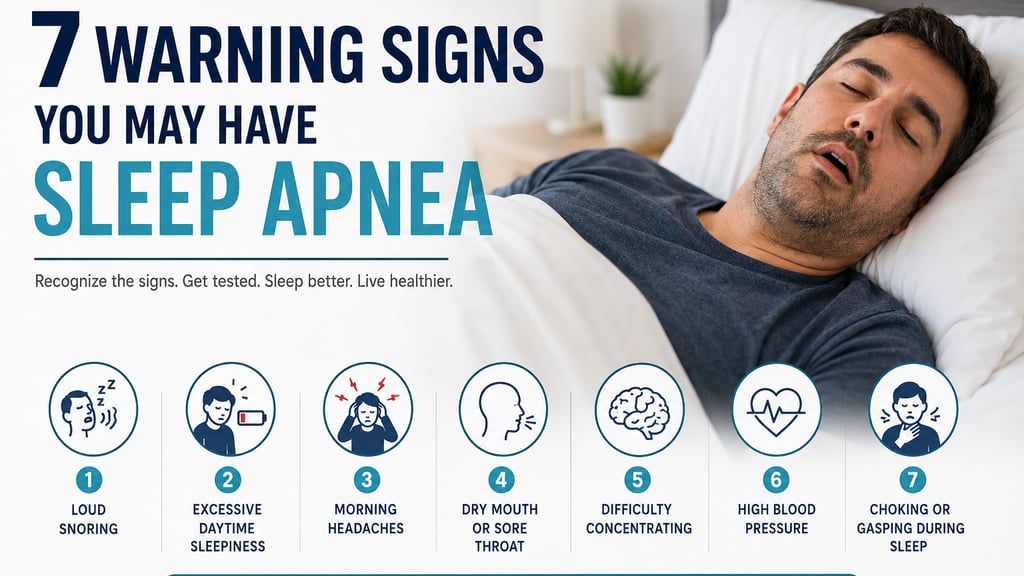
7 Warning Signs You May Have Sleep Apnea
Sleep is essential for maintaining good physical and mental health. However, millions of people suffer from sleep apnea without even realizing it. This common sleep disorder can seriously affect your quality of life and overall health if left untreated.
Many people mistake sleep apnea symptoms for normal tiredness, stress, or aging. Recognizing the early warning signs can help you seek timely treatment and prevent long-term complications.
In this article, we’ll discuss the 7 warning signs you may have sleep apnea and when you should consider getting a sleep study done.
What Is Sleep Apnea?
Sleep apnea is a condition in which breathing repeatedly stops and starts during sleep. The most common type is Obstructive Sleep Apnea (OSA), where the airway becomes partially or completely blocked during sleep.
These interruptions reduce oxygen supply to the body and disturb sleep throughout the night.
1. Loud and Persistent Snoring
One of the most common signs of sleep apnea is loud snoring.
While not everyone who snores has sleep apnea, frequent and heavy snoring — especially with choking or gasping sounds — may indicate blocked airflow during sleep.
Warning Signs:
Snoring every night
Very loud snoring
Snoring interrupted by pauses in breathing
Gasping or choking during sleep
If family members complain about your snoring regularly, it may be time to take it seriously.
2. Excessive Daytime Sleepiness
Do you feel tired even after sleeping for 7–8 hours?
People with sleep apnea often experience interrupted sleep cycles, preventing deep and restorative sleep.
Common Symptoms:
Feeling sleepy during the day
Difficulty concentrating
Low energy levels
Falling asleep while watching TV or working
Drowsiness while driving
Persistent fatigue is one of the biggest red flags of sleep apnea.
3. Morning Headaches
Frequent morning headaches can be linked to reduced oxygen levels during sleep.
Interrupted breathing causes oxygen fluctuations that may lead to headaches after waking up.
Headaches Related to Sleep Apnea:
Usually occur in the morning
May feel dull or heavy
Improve after a few hours
Ignoring recurring morning headaches may delay diagnosis of an underlying sleep disorder.
4. Waking Up With Dry Mouth or Sore Throat
Many sleep apnea patients breathe through their mouth during sleep due to blocked airways.
This often causes:
Dry mouth
Sore throat
Bad breath
Irritated throat in the morning
If these symptoms happen regularly, especially alongside snoring, sleep apnea could be the cause.
5. Difficulty Concentrating or Memory Problems
Poor sleep quality affects brain function.
Sleep apnea can lead to:
Memory issues
Brain fog
Poor concentration
Mood changes
Irritability
Many people blame stress or workload without realizing that poor nighttime breathing may be affecting cognitive performance.
6. High Blood Pressure
Sleep apnea and high blood pressure are closely connected.
Repeated oxygen drops during sleep put stress on the heart and blood vessels, increasing blood pressure levels.
Sleep Apnea May Increase Risk Of:
Hypertension
Heart disease
Stroke
Irregular heartbeat
If you have high blood pressure that is difficult to control, your doctor may recommend a sleep study.
7. Choking or Gasping During Sleep
One of the most serious warning signs is waking up suddenly while choking, gasping, or struggling to breathe.
This happens because airflow temporarily stops during sleep.
Often Reported By:
Spouses
Family members
Roommates
People with sleep apnea may not even remember these episodes themselves.
Who Is at Higher Risk for Sleep Apnea?
You may have a higher risk if you:
Are overweight or obese
Have a large neck size
Smoke or consume alcohol frequently
Have nasal congestion
Have a family history of sleep apnea
Are above 40 years of age
Have diabetes or high blood pressure
However, sleep apnea can affect people of all ages, including women and children.
Why You Should Not Ignore Sleep Apnea
Untreated sleep apnea can lead to serious health complications such as:
Heart disease
Stroke
Diabetes
High blood pressure
Depression
Poor work performance
Increased accident risk due to daytime sleepiness
Early diagnosis and treatment can significantly improve sleep quality, energy levels, and long-term health.
How Is Sleep Apnea Diagnosed?
Doctors usually recommend a sleep study test to diagnose sleep apnea.
A sleep study monitors:
Breathing patterns
Oxygen levels
Heart rate
Snoring
Sleep stages
Today, many patients prefer convenient home sleep study tests for diagnosis.
Treatment Options for Sleep Apnea
Treatment depends on the severity of the condition.
Common Treatment Options:
CPAP therapy
BiPAP therapy
Weight management
Lifestyle changes
Oral appliances
Positional therapy
CPAP therapy is considered one of the most effective treatments for moderate to severe sleep apnea.
Final Thoughts
Sleep apnea is more common than many people realize, and its symptoms are often ignored for years. If you experience loud snoring, daytime fatigue, morning headaches, or breathing interruptions during sleep, it’s important to seek medical evaluation.
Early treatment can improve sleep, boost energy, protect heart health, and improve overall quality of life.
If you suspect sleep apnea, consult a sleep specialist and consider getting a sleep study done.
Medical Disclaimer:
This website does not provide medical advice. All content, including text, graphics, images, and other material, is for informational purposes only and should not be considered medical advice, diagnosis, or treatment.
Products
Providing CPAP, BiPAP, and oxygen solutions online.
Support
Contact us
cpapandbipaphub@gmail.com
+91-9716612765, +91-9910320322
© 2024. All rights reserved.